Heads up: some links on this page are affiliate links. If you buy through one we may earn a commission at no extra cost to you. It never changes a ranking, and we accept no payment for placement. The full version.
Diagnose by where it is soggy
Soggy in the middle, fine at the edge. A moisture problem. The middle is where the sauce and the wettest toppings sit, and it is also where the base is thinnest.
Soggy all over, pale everywhere. A heat problem. Not enough energy went into the base anywhere.
Crisp out of the oven, soggy two minutes later. A steam problem, and the easiest of the three to fix.
Middle, everywhere, or later
Three different faults that all get described as soggy
Fixing the wrong one is why people try four things and none of them work.
The six causes, most common first
1. Too much sauce. The most common cause by a wide margin. A thin layer spread to within an inch of the edge is enough. If you can see a pool anywhere, it is too much - and it will end up in the base.
2. Wet mozzarella. Fresh mozzarella packed in liquid carries a lot of water. Tear it, sit it on paper towels for 20 to 30 minutes, and pat it dry. Low-moisture mozzarella exists for exactly this reason.
3. Raw high-water vegetables. Mushrooms, peppers, courgette, fresh tomato and onion all release water for the whole bake. Cook them first, or slice them very thin and use fewer.
4. A surface that was not hot enough. If the base is pale as well as soggy, this is your answer. Either the preheat ended too early or the oven is running cold - both free to fix, and both covered in the preheat guide.
5. A base that is too thin for its diameter. A stretched-too-far base has almost no structure in the middle and soaks through immediately. Check your ball weight against the weight chart: a 14-inch pizza wants about 386 g at standard thickness, and a lot of soggy centers are 14-inch pizzas made from a 280 g ball.
6. Resting it on a solid surface. The two-minute failure. Steam condenses under the base with nowhere to go. Wire rack.
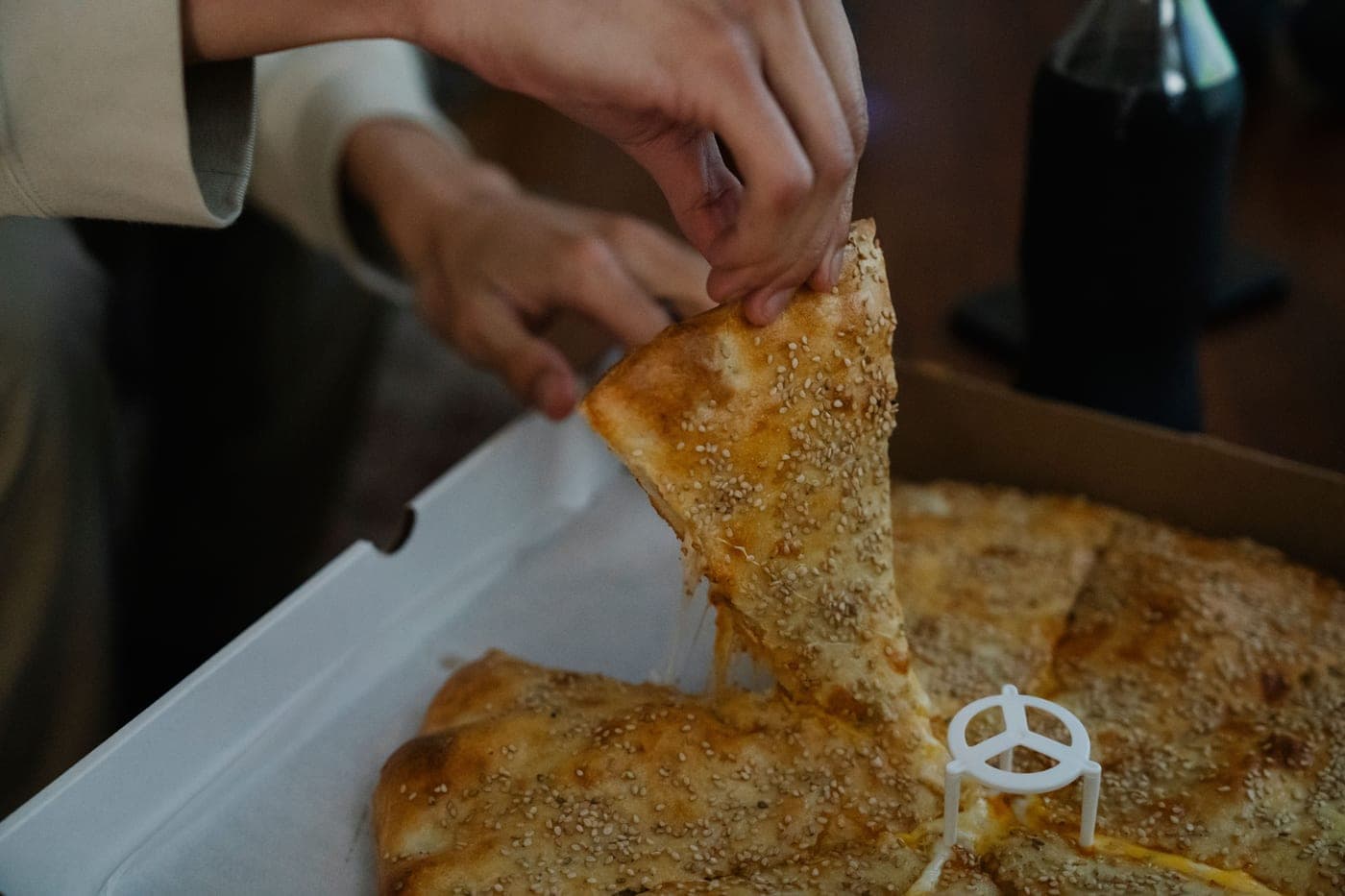
A base that has set will hold the tip of a slice out horizontally for a second. That is the test, and it takes no equipment.
The order to fix them in
Less sauce. Free, and works most of the time.
Drain the mozzarella. Free, 20 minutes of waiting.
Pre-cook the wet vegetables. Free.
Rest on a wire rack. Free.
Longer preheat. Free, costs about 10 cents in electricity.
Check the oven calibration. Free if you own a thermometer.
Then, and only then, consider the surface.
Six free fixes before a purchase. That ordering is the entire point of this page.
The specific case of frozen and par-baked bases
A soggy frozen pizza is usually the base thawing in its own condensation before the oven gets to it. Bake it straight from frozen onto a preheated surface, and take two or three minutes off the box time because the box assumed a cold tray.
Par-baked bases have a different problem: they were already fully hydrated once and dried once, so they re-wet very fast. Sauce them thinly and get them in immediately. If you are making your own, the timings and the freezer routine are in how to par-bake a pizza crust.
What we did not do
We have not baked on any of these. Every guide in this category says it tested a dozen stones; we would rather say plainly that we did not. What we did instead is on this page in full: published specs with their sources, thermal arithmetic from material constants with the working shown, and the makers' own manuals read rather than paraphrased.
When it is the dough itself
A dough that is over-fermented is slack and will not hold structure - it tears, spreads and bakes into something dense and damp. If the ball would not hold its shape when you tipped it out, that is your answer, and no adjustment at the oven end will rescue it. Timing is in how to store pizza dough.
The picks
What we would buy
Baking Steel
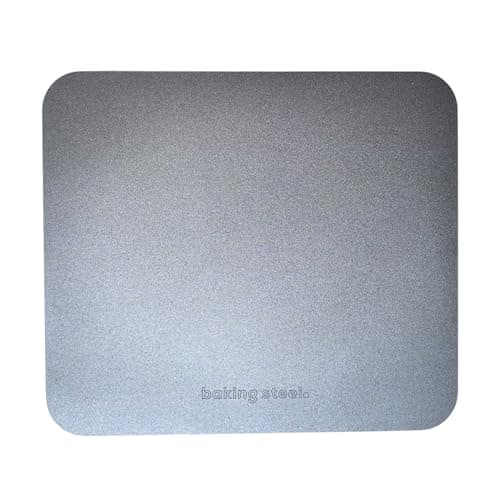
Baking Steel Original, 16 x 14 x 1/4
A quarter inch is the thickness where a steel stops being a novelty and stays a thing you can still lift. Its advantage over a stone is not preheat speed - it is what happens one second after the base lands.
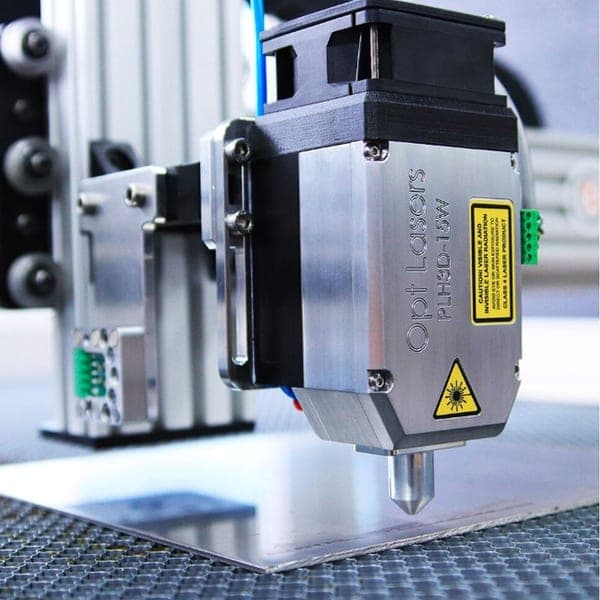
The adjustable emissivity is the reason to buy this rather than a cheap gun. Fixed-emissivity instruments read a seasoned steel 40 to 80 F low, and that is the difference between a good bake and a pale one.
#ad We hold no verified live price for this product, so we show none. How this site is funded.
Old Stone
Old Stone 16-Inch Round Cordierite Pizza Stone
The most useful stone shape for a home oven, at a weight one hand can manage, and one of the very few whose retailer publishes both a thickness and a weight.
Almost always moisture: too much sauce, wet mozzarella, or raw high-water vegetables. The middle carries the most topping and has the thinnest base, so it is where water wins first.
How do I stop my pizza base being soggy?+
Less sauce, drained mozzarella, pre-cooked wet vegetables, a properly preheated surface, and rest the finished pizza on a wire rack rather than a board. Five fixes, all free.
Does a pizza stone stop a soggy base?+
It helps with a base that is soggy because it was underheated. It does nothing for a base that is soggy because there was too much sauce on it. Diagnose by whether the base is also pale.
Why does my pizza go soggy after cutting it?+
Steam trapped underneath. A hot base on a solid board condenses its own moisture back into itself. Move it to a wire rack and cut it there.
Should I par-bake the base first?+
For thick pan styles it works. For a thin base it usually does not: the topping re-wets the base during the second bake and you end up where you started.
Sources
Every number on this page came from one of these, or from arithmetic on one of these that we showed in full.