
Guide
What to Upgrade Next
A diagnostic route from the symptom you have to the cheapest thing that fixes it, in the order to try them.
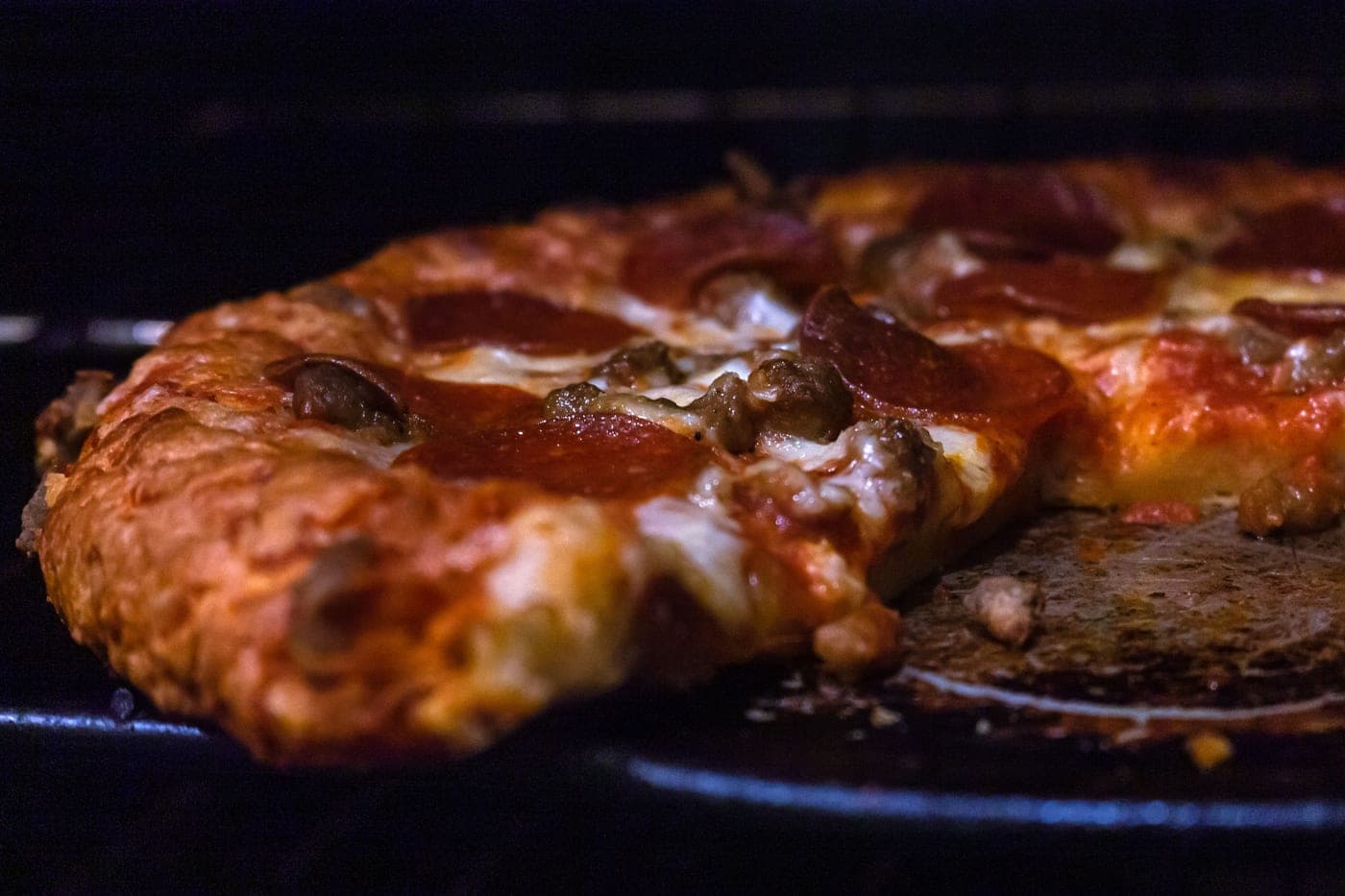
Four things decide your bottom crust. Most people change the wrong one first.
This is the part of the site with nothing to sell you. Every page here exists to work out which variable is actually causing the problem you have, because the usual failure in home pizza is not lack of effort - it is a year of effort spent on the wrong variable.
Change one thing at a time, in the order below, and you will find your problem in about three bakes.
4
variables that actually decide bottom crust
Our pick in this category
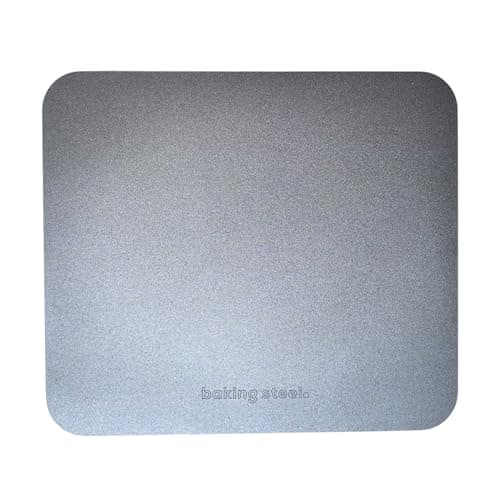
Baking Steel Original, 16 x 14 x 1/4
If diagnosis points at the surface, this is where most people end up
#ad Price as of October 18, 2026, from Amazon. Prices change. How this site is funded.
Heads up: some links on this page are affiliate links. If you buy through one we may earn a commission at no extra cost to you. It never changes a ranking, and we accept no payment for placement. The full version.
A diagnostic route from the symptom you have to the cheapest thing that fixes it, in the order to try them.
Six levers on bottom crust in order of effect, with the mechanism behind each one and the three that cost nothing.
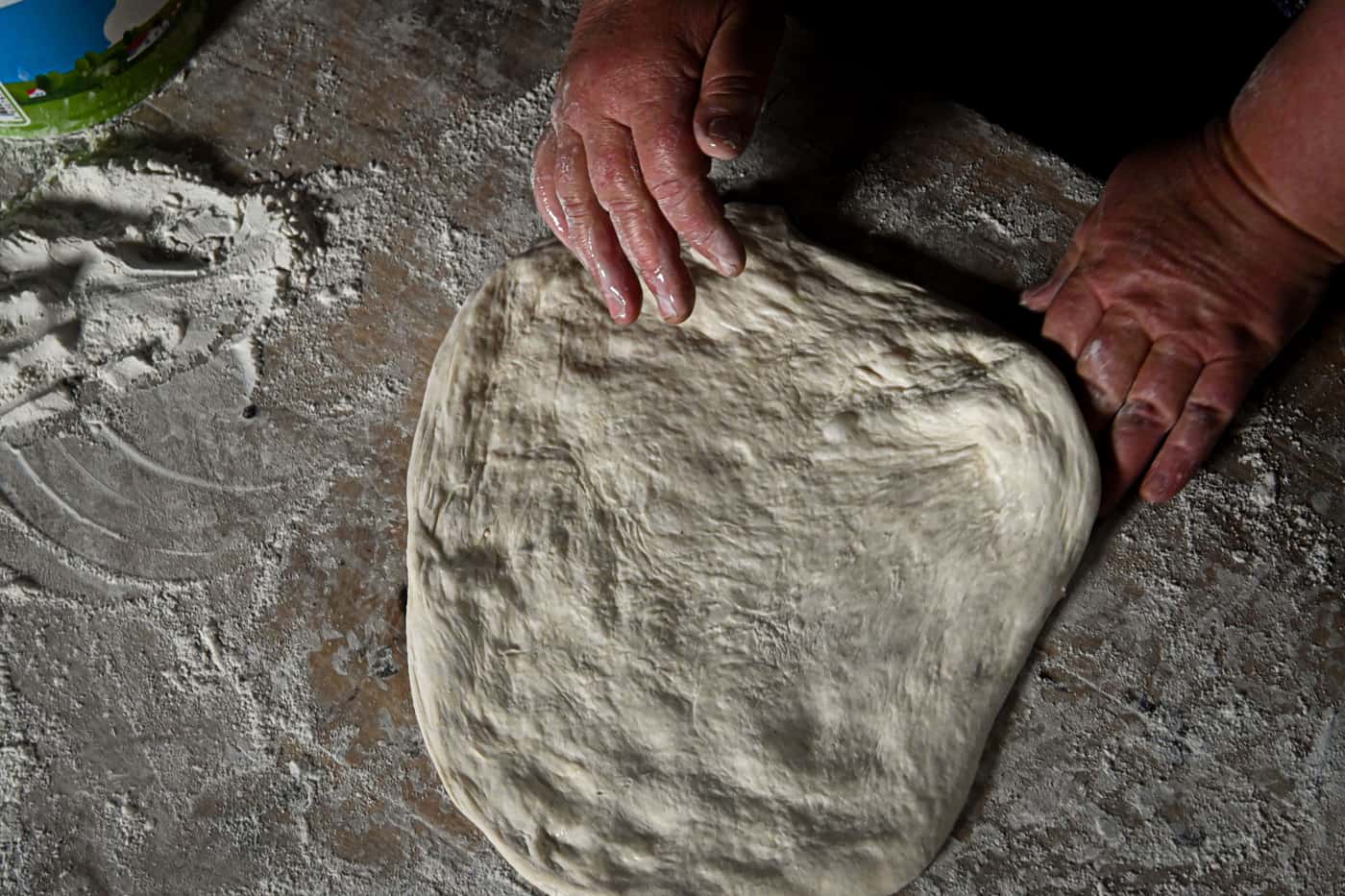
A six-step hand-stretching method, plus the three non-technique reasons dough springs back and how to fix each.
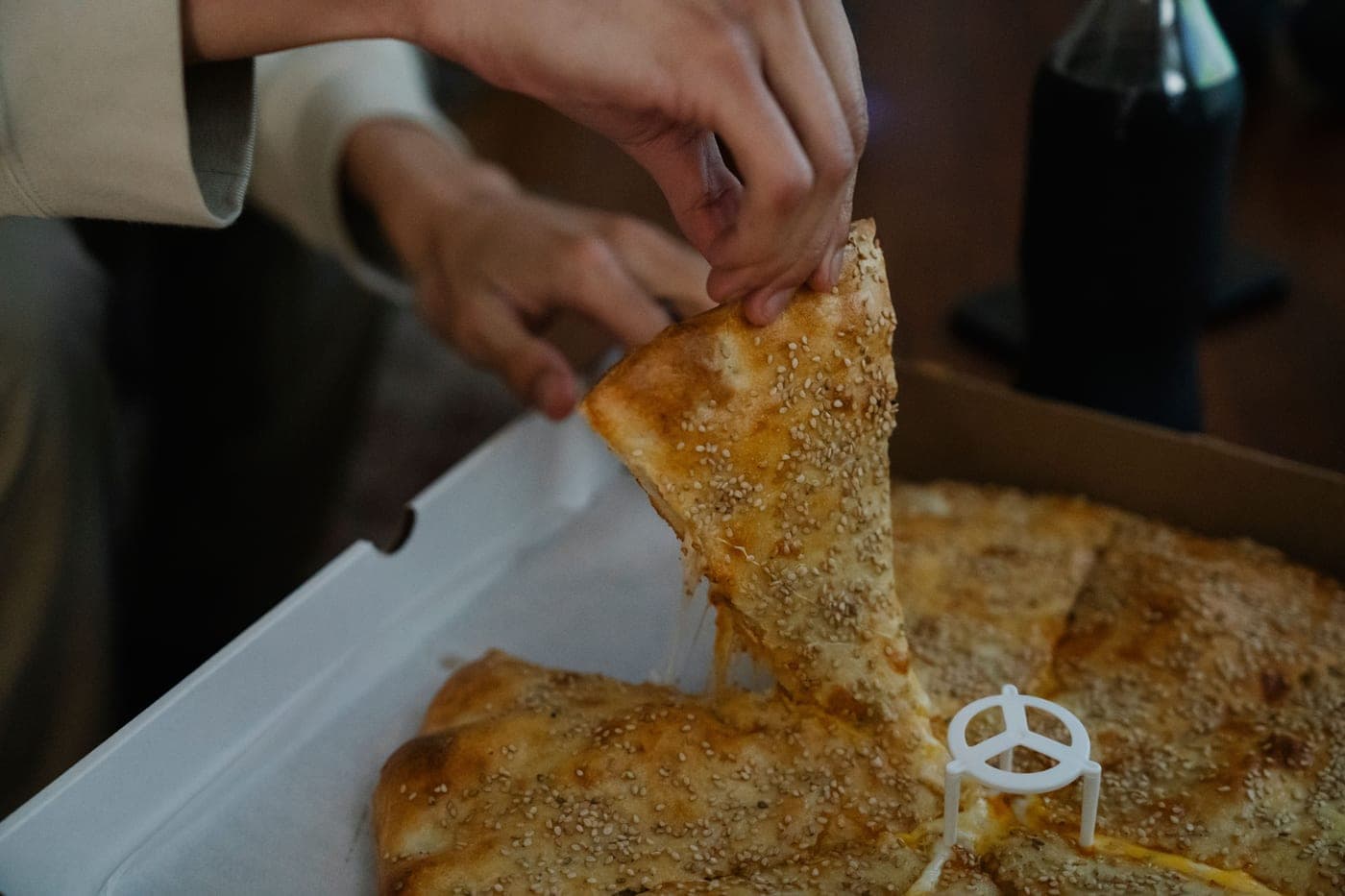
A diagnosis by location - middle, everywhere, or only after serving - with the six underlying causes ranked by how often each is the culprit.
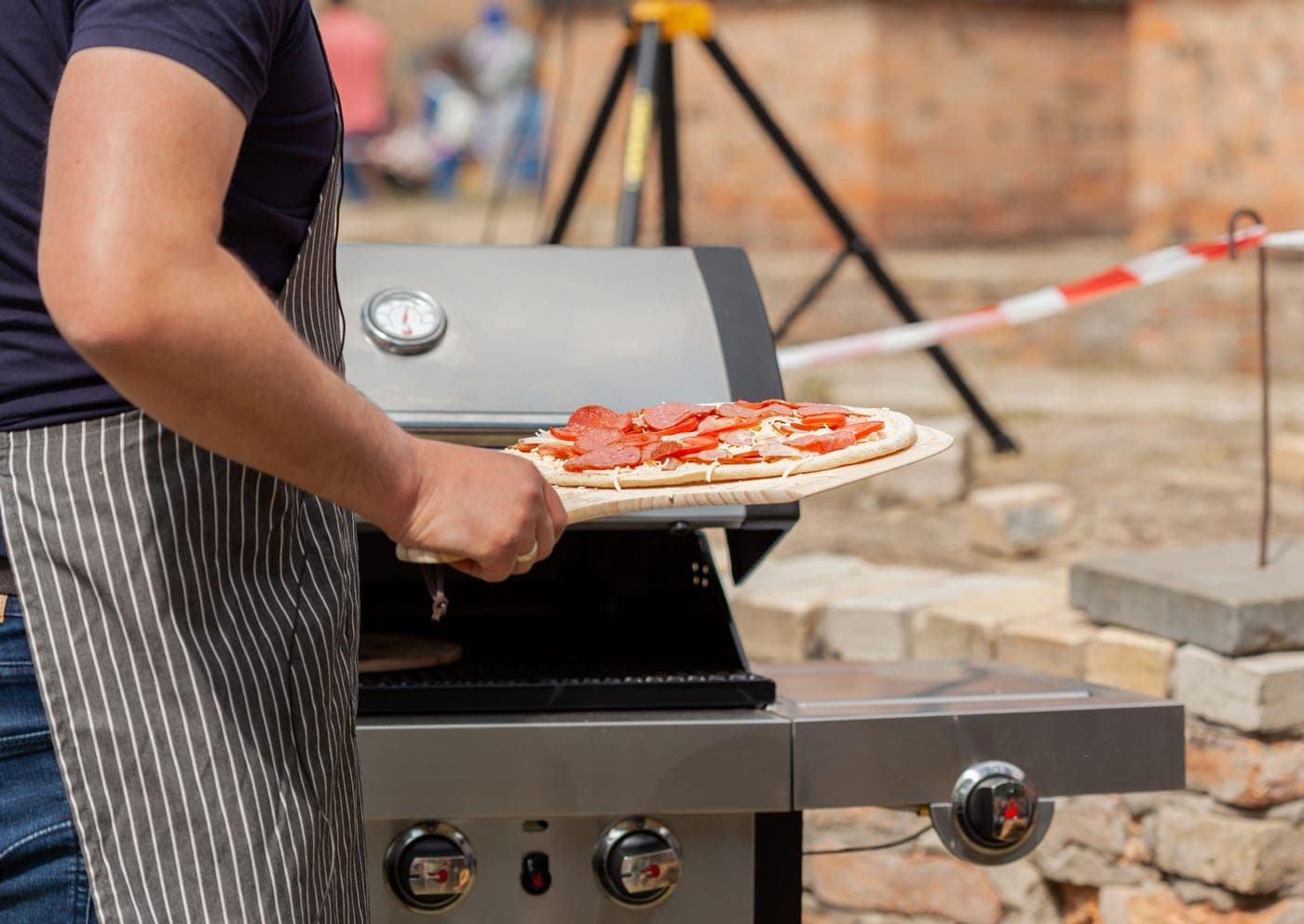
Indirect with a stone versus direct on the grate: what each produces, target temperatures, and the handling that keeps a stone intact.
What 00 actually designates, why it is matched to 800 F ovens rather than 500 F ones, and which flour suits which bake.
What a starter changes about a pizza dough, a realistic 24 to 48 hour timeline, and the two pieces of equipment that actually matter.
Hydration explained as arithmetic, band by band, with what each level demands from your handling, your peel and your oven.
The four reasons dough springs back, ranked by how often each is the real cause, and the two-stage stretch that fixes most of them.
A par-bake method with timings, how to freeze and finish the bases, and the styles where the trade-off is worth making.
The two methods the makers themselves publish, the single rule they share, and the three surfaces worth owning if you reheat pizza most weeks.
1. Surface material. What the base touches, and specifically its thermal effusivity - how well it resists being cooled by the thing landing on it. A carbon steel plate is 8.5 times a cordierite stone here. If your base is pale and soft while the top is done, this is usually the answer.
2. Surface temperature. Not the dial. The actual temperature of the surface, which lags the oven by 25 to 55 minutes depending on how much the surface weighs. A perfect steel at 380 F bakes worse than a modest stone at 500 F. Measure it once and most of your mystery evaporates.
3. Hydration and dough handling. A wetter dough gives a more open crumb and a blistered edge, and it also sticks to the peel and steams the base. If your base is soggy in the middle and fine at the edges, suspect wet toppings and a wet dough before you suspect the oven.
4. Bake time and rack position. Longer is not better. Once the base has set, more time dries it out rather than crisping it. If the base browns before the cheese melts, move the surface up. If the reverse, move it down or finish under the broiler.
Pale, floppy base; well-cooked top. Not enough heat into the base. Surface material or surface temperature. Preheat longer first, because that is free, then consider the surface.
Base burned, top underdone. Too much bottom heat for the bake time, or the surface is too close to the element. Move up a rack, or finish under the broiler with a shorter bake.
Soggy center, crisp edge. Moisture, not heat. Too much sauce, wet mozzarella, or vegetables that release water. Drain the mozzarella, cook the mushrooms first, use less sauce than feels right.
Crisp when it comes out, floppy two minutes later. Steam condensing under the base on a solid plate or board. Move it to a rack, not a board.
No color anywhere despite a long bake. The oven is running cold. Check it against a thermometer - a 75 F error is common enough that it should be your first suspicion, not your last.
Because a diagnosis with no action is not much use. Each guide here ends by pointing at whichever surface, peel or instrument the diagnosis implies - and when the honest answer is "nothing, just preheat longer", that is what it says instead. Start with what to upgrade next, which walks the diagnosis backwards from what you are currently unhappy about.