The answer, first
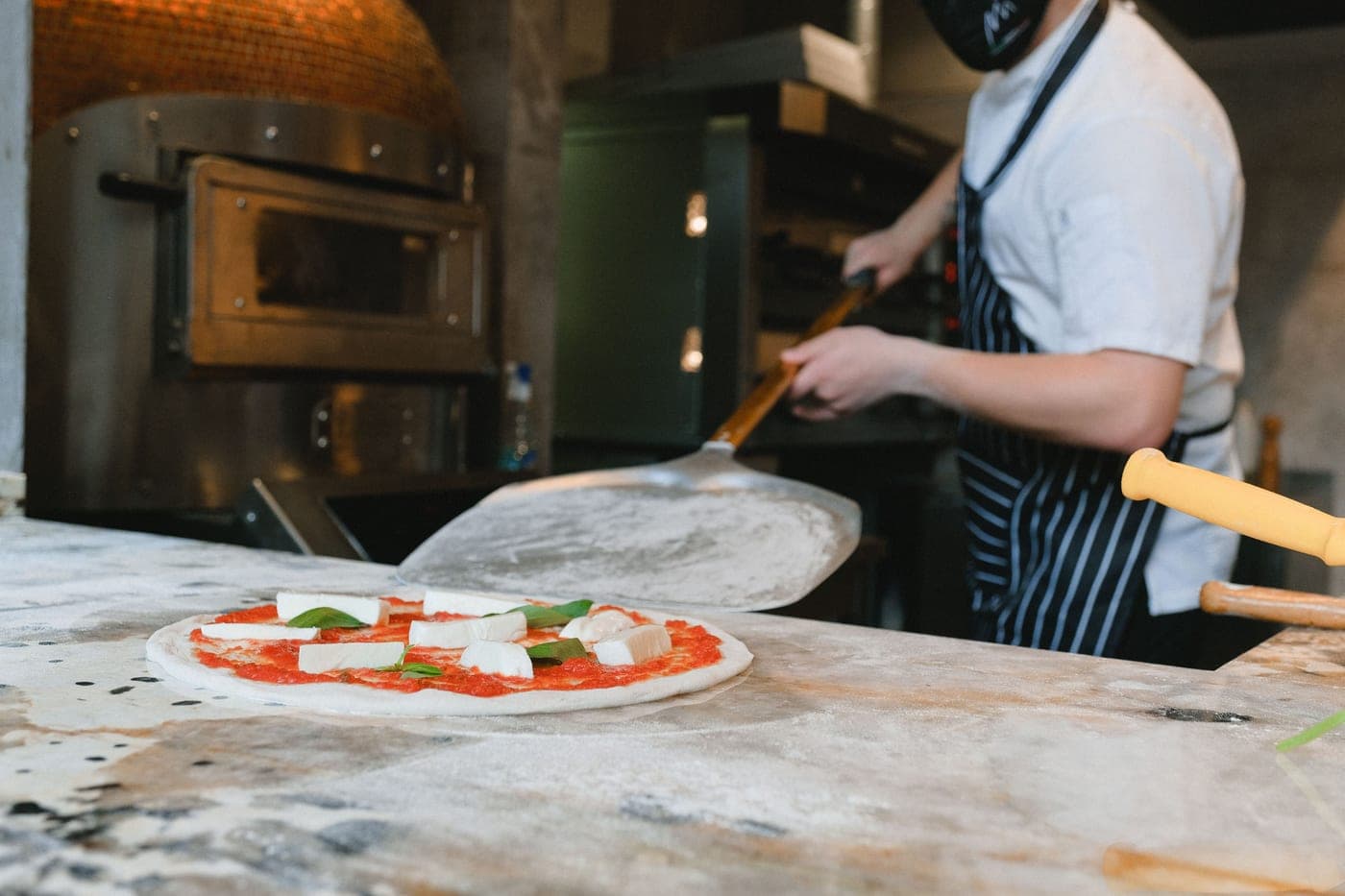
Wood to launch. Thin metal to turn and retrieve. If you can only have one, take a light perforated metal blade and adjust how you work - build fast and launch inside a minute.
Why raw dough releases from wood
A wooden or wood-composite surface is porous and slightly rough at a scale the dough cannot flow into quickly. The base sits on a layer of flour held in that texture rather than making full wet contact with the surface underneath. Metal is smooth and non-absorbent, so within a minute or two the moisture at the bottom of the base wets the surface and the dough is stuck to it.
That is a difference in minutes rather than a difference in kind. Both materials work if you launch fast; only wood forgives you when you do not.
Why a baked base needs metal
A cooked base is rigid and sits flat, so getting it off the surface means getting an edge underneath it. That requires an edge measured in a millimeter or two. A wooden peel thin enough at the tip to do that would be too fragile to carry a loaded pizza; aluminum at 1.5 mm is stiff and thin at the same time.
Porosity, then thinness
The two properties that split the job in half
Wood wins on release because it is porous. Metal wins on retrieval because it can be thin. Neither material can be both.
The side-by-side
| | Wood / wood composite | Aluminum |
|---|
| Raw base release | Excellent - minutes of grace | Poor - seconds to a minute |
| Sliding under a baked base | Poor to fair | Excellent |
| Typical edge thickness | 1/8 in composite, up to 12 mm solid | 1.5 to 3 mm, tapered |
| Published temperature limit | 350 F for Richlite composite | 360 F for 3003-H14 temper |
| Perforation possible | No | Yes |
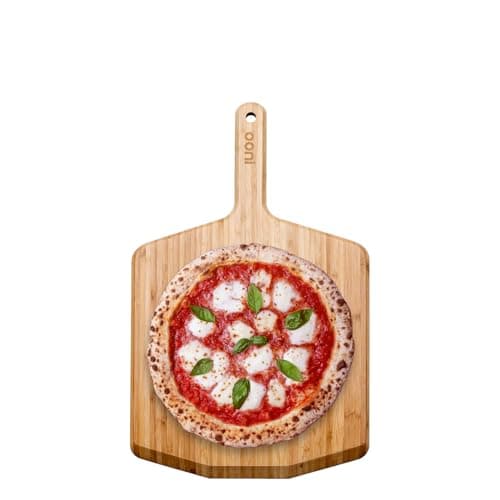
| Doubles as a serving board | Yes | No |
| Care | Dry properly or it warps | Wash and dry, nothing else |
Both published temperature limits surprise people, and they are saying the same thing: a peel is a transfer tool. Neither material is happy parked against a 500 F surface, and neither needs to be, because contact is measured in seconds.
Bamboo, hardwood and composite are not the same wood
Bamboo is stiff, light and cheap, and it is usually made up in 10 to 12 mm boards - excellent to build on, useless for retrieval.
Solid hardwood behaves the same and warps if it is dried badly. See wooden peel care.
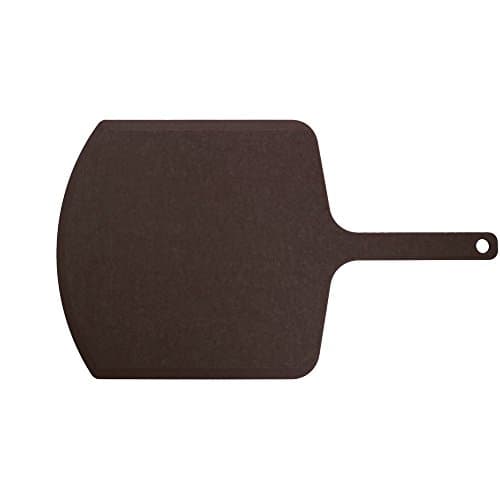
Pressed wood-fiber composite such as Richlite can be made far thinner - an eighth of an inch - so it launches better than either and can even retrieve at a push. It is dishwasher-safe and does not warp. It is also heavier for its size and darker, which shows flour.
Buy in this order
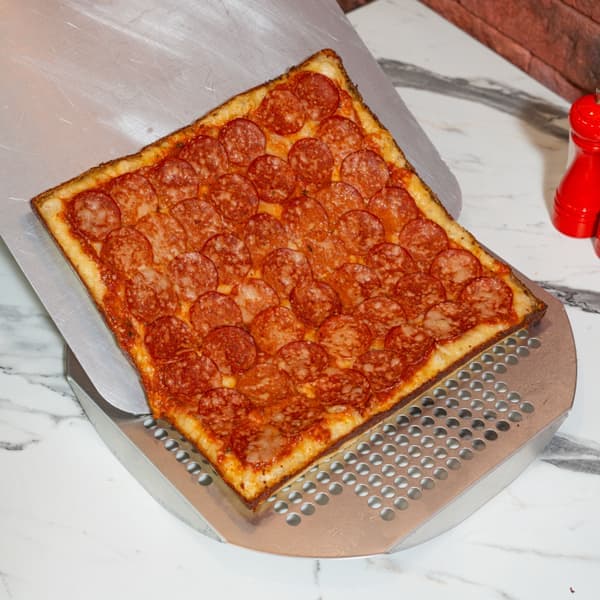
First, a light perforated aluminum blade at your pizza's diameter. It is the one that does the most jobs adequately and it sheds the flour that would burn on your stone.
Second, a thin wooden or composite board to build on, if you have found you dress slowly. This is the cheaper half and it removes the last common cause of a failed launch.
Third, and only if your oven has a hot side, a turning peel - covered in the turning peel roundup.
What we did not do
We have not baked on any of these. Every guide in this category says it tested a dozen stones; we would rather say plainly that we did not. What we did instead is on this page in full: published specs with their sources, thermal arithmetic from material constants with the working shown, and the makers' own manuals read rather than paraphrased.